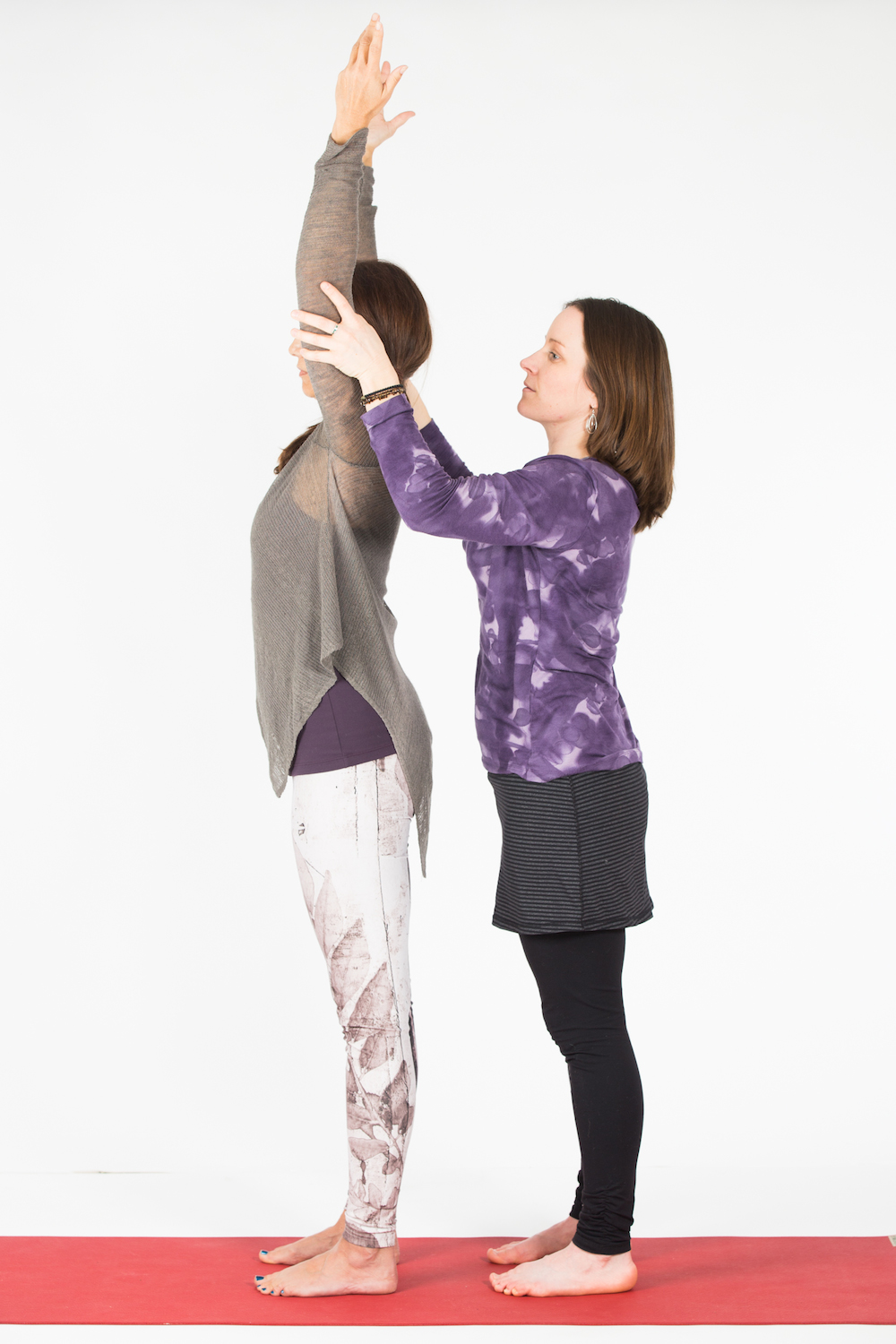
Maybe it is because it is summer and my family is in full holiday swing now. Maybe it is my love of savasana and relaxation. Whatever the reason, I have been thinking more about the “after savasana” article that I wrote and published a couple of weeks ago and needed to write a “savasana continued” article with the bubbling up thoughts.
Click here to see the first article, where I discuss what I like to include and exclude (now) after savasana.
Savasana Continued
When I was defining what I have learned about the time after savasana I noted that there are lots of things that I sometimes like to include. I don’t always add them in, but they are elements that I curated from other classes and teachers, changing them to suit the students and my style of teaching over the past ten years.
As you would with any yoga pose, pranayama or meditation - feel free try them out if they resonate and feel right. Change them to suit you on this day and to serve the students you work with. Add your own to the list and if you wish - please share them in the comments below.
What I sometimes (but not always) include after savasana:
1. Meditation
My first yoga teacher training was with Sat Dharam Kaur, ND in the Kundalini Yoga tradition. That was my first experience with meditation after savasana. It makes sense when you think about it. Asanas were designed to prepare the body/mind for meditation. If you have not done a yoga practice with meditation after savasana - give it a try. If you enjoy it - share it with your students. Maybe prepare them for it by talking about it at the beginning of the class and starting with a short time of meditation first.
2. Om
I often will close practice with an OM shared by everyone, but I like to emphasize that it is a choice to participate.
I once had a group of sweet prenatal students approach me to tell me that they liked my teaching style and all of the class elements, except the OMing. They had decided as a group (and there were six of them) that they would not be joining in on the OM. I still smile thinking of that conversation. I am happy they felt comfortable enough to approach me. Student self-determination is beautiful.
3. Gratitude to Self and Others
Often when eyes are closed and hands are in anjali mudra (prayer pose), I invite students to give thanks to self for carving out this time. I also invite them to give thanks to those practicing next them or to the supportive cheerleaders in their lives.
4. Releasing What is No Longer Serving
After the OM and gratitude I will often I will say something like “Exhale and gently fold forward, releasing anything that no longer serves you. Inhale coming back up to sitting, bringing with you what you would like for the rest of this week.”
For me this is a way to let go of the practice and also to let go of things that I would like to release. It is also a time where I honour the teachers in my life, so that could be something you introduce. I like to include the inner teacher in this as well.
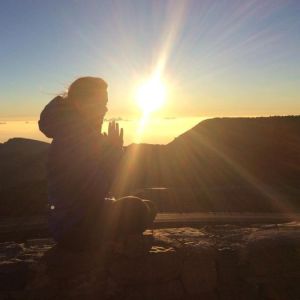
photo credits to Aminta - http://www.yogatrail.com/yoga-poses
5. Namaste
With hands in anjali mudra I say, “namaste” and bow forward slightly, to each student in the class. If students are new to my class I will often explain saying, “Namaste is sanskrit and means the light in me sees and honours the light in you.”
This is my time to give thanks to each student - who are my teachers as well.
What do you include after savasana in your practice or the classes you teach? Feel free to comment below.